Nas Royal Safaris | Tanzania Safari
Safari

Nas Royal Safaris
Locally Born Tanzania Safari Specialists
- List Item #1
- 6 Min Read
- Share
Whether you are a professional photographer or an enthusiastic beginner, a photography safari combines adventure, creativity, and nature in one unforgettable experience. Every game drive presents a chance to document the raw beauty, emotion, and rhythm of the African wilderness with Nas Royal Safaris.
A photography safari is more than a journey through Africa’s wilderness, it is an opportunity to capture extraordinary moments, breathtaking landscapes, and unforgettable wildlife encounters through the lens of your camera. From golden sunrises over the Serengeti plains to dramatic predator action in Ngorongoro Crater, Tanzania offers some of the world’s finest destinations for wildlife and landscape photography with Nas Royal Safaris.
The Photography Safari Experience: Nature Through Your Lens
A photography safari is carefully designed to maximize wildlife sightings, lighting conditions, and photographic opportunities.
The Spectacle: Incredible Wildlife Encounters
Photographers on safari with Nas Royal Safaris may capture unforgettable wildlife moments, including:
- Lions bathed in golden sunrise light
- Elephants moving across dusty savanna landscapes
- Leopards resting quietly in acacia trees
- Cheetahs sprinting across open plains in pursuit of prey
- Massive wildebeest migrations stretching across the horizon
Every moment in the wilderness offers a potential masterpiece waiting to be captured.
The Light: Africa’s Golden Hours
Tanzania is renowned for its exceptional natural lighting conditions, especially during:
- Early morning sunrise
- Late afternoon sunset
- Dramatic storm-filled skies during the green season
These lighting conditions create outstanding opportunities for wildlife, landscape, and silhouette photography across Tanzania’s iconic safari destinations.
Nas Royal Safaris Tip: Private Photography Vehicles
At Nas Royal Safaris, photography safaris can be customized to include:
- Open-sided safari vehicles
- Flexible game drive schedules
- Extended wildlife viewing time
- Specialized photography guides
- Customized positioning for optimal lighting angles
Private photography safaris allow photographers to work at their own pace without rushing between sightings, ensuring the best possible photographic results.
Best Photography Safari Destinations in Tanzania
Tanzania offers diverse landscapes and wildlife perfect for photography enthusiasts.
Serengeti National Park: Endless Wildlife Action
The Serengeti is one of Africa’s most iconic photography destinations.
The Experience:
- The Great Wildebeest Migration
- Predator-prey interactions
- Endless plains and dramatic sunsets
- Balloon safari photography opportunities
The Atmosphere:
The open landscapes create stunning compositions with wildlife against expansive African skies.
Ngorongoro Crater: Wildlife in a Natural Amphitheater
The Ngorongoro Crater offers incredible photographic diversity within a compact and dramatic natural setting.
The Spectacle
- Dense concentrations of wildlife across the crater floor
- Dramatic scenic landscapes formed by ancient volcanic walls
- Excellent opportunities to photograph all members of the “Big Five”
Nas Royal Safaris Tip:
Morning mist drifting over the crater creates soft light and atmospheric conditions that are ideal for stunning photography moments.
Tarangire National Park: Baobabs & Elephants
Tarangire is famous for its giant baobab trees and large elephant herds.
The Experience:
- Elephant photography
- Ancient baobab landscapes
- Birdlife and river ecosystems
- Fewer crowds for uninterrupted photography
This park is perfect for creative landscape and wildlife compositions.
Lake Manyara National Park: Scenic Diversity
Lake Manyara combines forests, lakeshores, and wildlife in one scenic destination.
The Experience:
- Flamingos and birdlife
- Tree-climbing lions
- Forest photography
- Reflections along the lake shoreline
The park’s varied habitats offer excellent opportunities for creative photography.
The Best Time for a Photography Safari
Different seasons create different photographic opportunities.
| Season | Best For | Photography Highlights | Typical Conditions |
|---|---|---|---|
| January – March | Calving season | Predator action & newborn wildlife | Green landscapes |
| April – May | Dramatic skies & lush scenery | Atmospheric photography | Seasonal rains |
| June – October | Classic wildlife photography | Dry-season wildlife concentration | Clear skies |
| November – December | Scenic landscapes & softer light | Fresh greenery & vibrant colors | Mild short rains |
Nas Royal Safaris Insider Tips
- Bring Multiple Lenses: A combination of wide-angle and telephoto lenses gives you flexibility for capturing both vast landscapes and close-up wildlife moments.
- Protect Your Equipment: Safari environments can be dusty and weather conditions may change, so protective covers and proper cleaning kits are essential.
- Be Patient: Exceptional wildlife photography often comes from waiting quietly and allowing natural animal behavior to unfold.
- Focus on Light: Early morning and late afternoon game drives offer the most beautiful natural lighting for photography.
- Respect Wildlife: At Nas Royal Safaris, we promote responsible wildlife viewing practices to ensure ethical photography and minimal disturbance to animals.
Gallery of Photography Safari
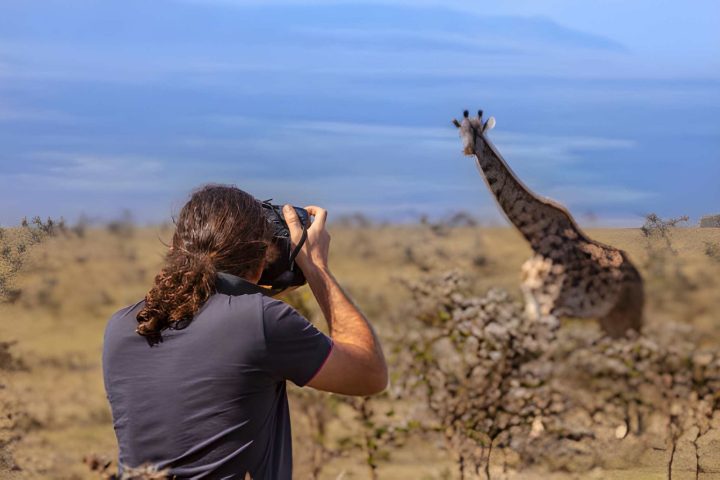
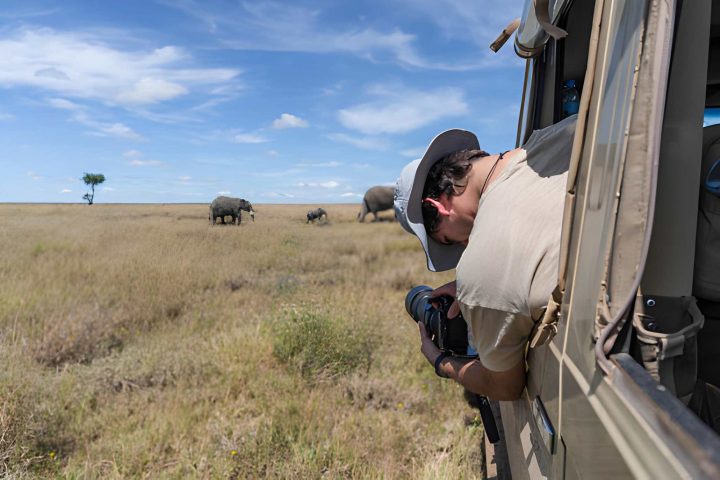
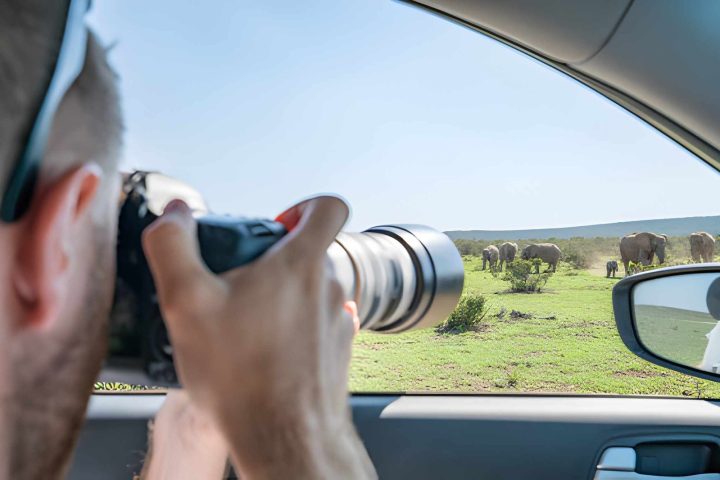
Why Choose a Photography Safari?
A photography safari allows travelers to preserve the beauty and emotion of Africa forever. Every image becomes a personal story a moment frozen in time from one of the world’s last great wildernesses.
From dramatic wildlife encounters to breathtaking landscapes beneath golden skies, photography safaris offer an inspiring way to experience the African wilderness on a deeper level.
Ready to Capture Africa’s Wild Beauty?
Contact the Nas Royal Safaris team today to start planning your unforgettable Tanzania photography safari. Our experts are ready to help you design an extraordinary photographic journey through Africa’s most iconic wildlife destinations.
More from the Journal
Nas Royal Safaris | Tanzania Safari is proudly powered by WordPress