Where Africa’s highest peak rises above clouds, glaciers, forests, and endless skies in the ultimate trekking adventure.
1973
1,688 km²
World Heritage Site
Jan – Mar , Jun – Oct
Mount Kilimanjaro is Africa’s highest mountain and the world’s tallest free-standing volcano, rising dramatically above the plains of northern Tanzania. Standing at 5,895 meters, Kilimanjaro is one of the planet’s most iconic trekking destinations, attracting climbers, adventurers, and nature lovers from across the globe.
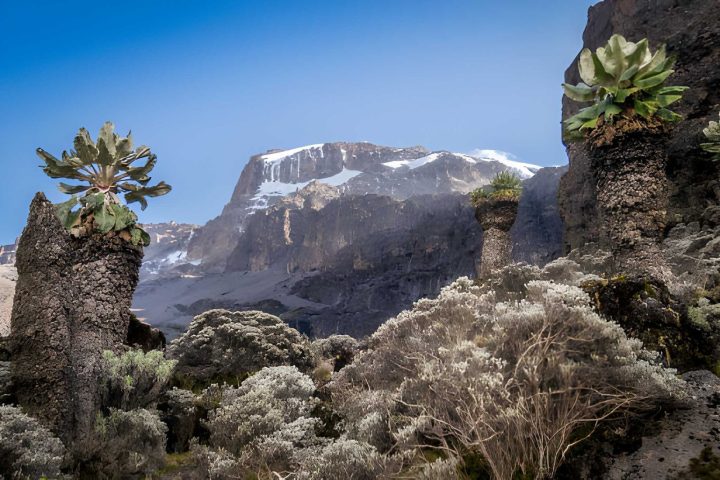
The mountain is famous for its extraordinary ecological diversity, where climbers pass through cultivated farmland, dense rainforest, moorland, alpine desert, and icy glaciers within just a few days. Unlike technical mountain expeditions, Kilimanjaro can be climbed without mountaineering experience, making it accessible to both first-time trekkers and experienced hikers seeking a life-changing summit adventure.
For travelers with Nas Royal Safaris, Kilimanjaro offers more than a climb — it is a journey through changing landscapes, cultures, and climates, guided by experienced local mountain crews dedicated to safety, comfort, and unforgettable experiences.
Each route and ecological zone on Mount Kilimanjaro reveals a different side of the mountain, from rainforest valleys and volcanic ridges to glacier-covered summit landscapes.
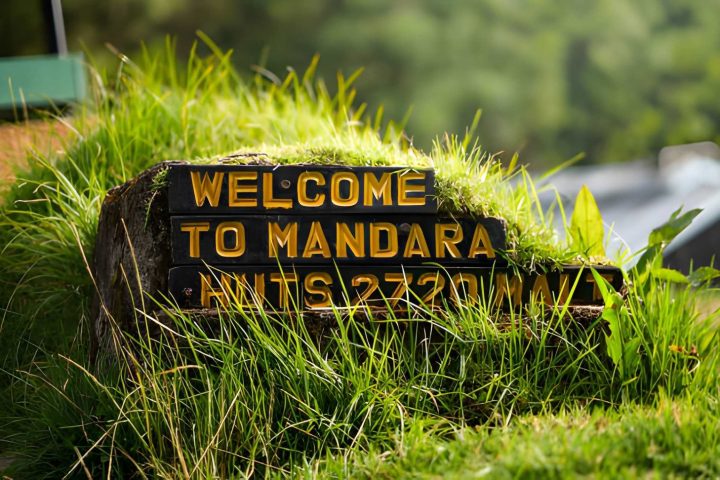
Known as the “Coca-Cola Route,” Marangu is Kilimanjaro’s oldest and most established trail, offering mountain hut accommodation throughout the climb. The route passes through lush rainforest, heathland, and alpine desert before reaching Uhuru Peak, making it popular among first-time climbers seeking comfort and gradual acclimatization.
One of Kilimanjaro’s most beautiful and popular trails, Machame offers dramatic scenery, diverse landscapes, and excellent acclimatization opportunities. Climbers experience rainforest valleys, lava formations, high ridges, and breathtaking summit views while camping beneath the stars each night.
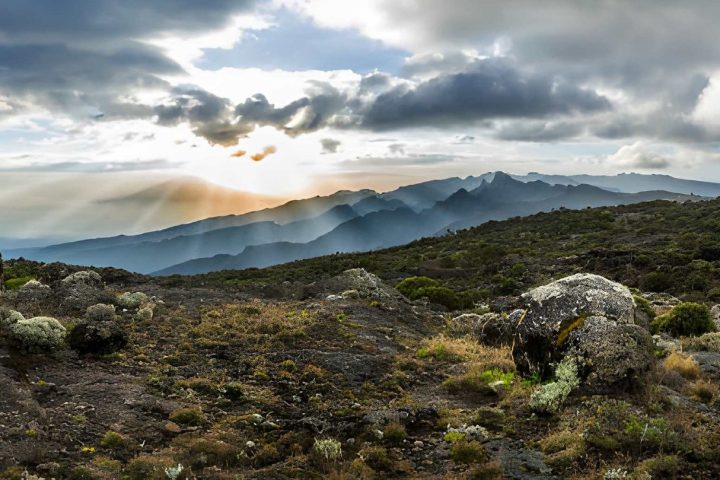
Beginning on Kilimanjaro’s remote western side, the Lemosho Route is admired for its quiet trails, rich wildlife encounters, and spectacular scenery. The route crosses the Shira Plateau before joining the southern circuit, providing one of the mountain’s best summit success rates.
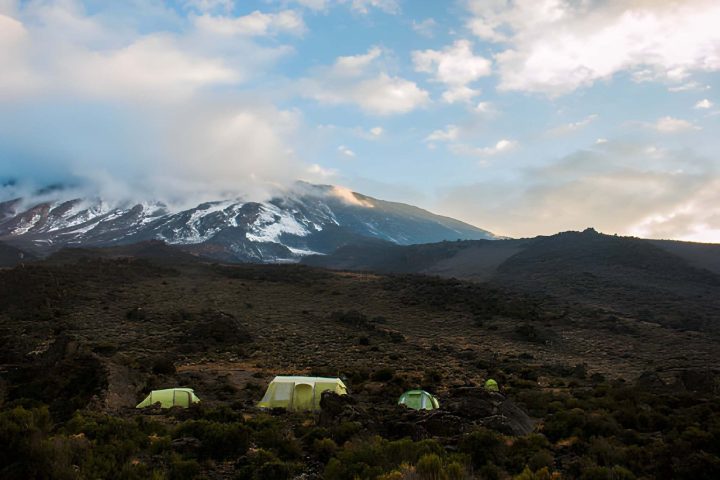
Approaching Kilimanjaro from the quieter northern side near the Kenyan border, Rongai offers a drier climate and fewer crowds. The route features open landscapes, alpine scenery, and peaceful trekking conditions ideal for climbers seeking a more remote mountain experience.
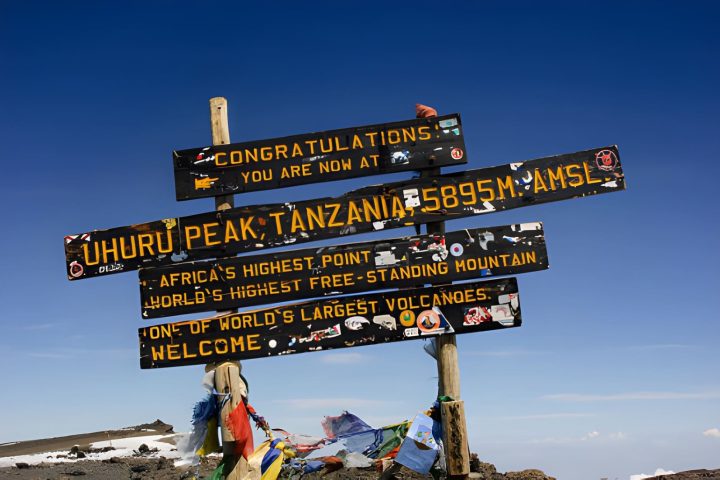
The final summit of Mount Kilimanjaro stands at 5,895 meters above sea level, offering one of the world’s most rewarding trekking achievements. Reaching Uhuru Peak at sunrise reveals glaciers, volcanic landscapes, and endless views stretching across East Africa.
The best months for climbing are January to March and June to October. These dry seasons offer clearer skies, less rain, and the highest summit success rates. However, climbs are possible year-round, and quieter seasons can provide more peaceful trails and unique mountain scenery.
Solo travelers are welcome on Kilimanjaro and can join scheduled group departures or arrange private climbs. Many travelers choose Kilimanjaro specifically because it offers a safe and social trekking environment.
Yes. The park is an excellent destination for solo travelers thanks to its accessibility, safe environment, and variety of activities. Nas Royal Safaris can arrange private or group experiences for solo guests seeking adventure, nature, and cultural exploration.
Climbers do not need technical mountaineering skills, but good physical preparation is highly recommended. Regular hiking, cardio training, and mental endurance greatly improve both comfort and summit success.
Safety is always the highest priority during every Kilimanjaro expedition with Nas Royal Safaris. Professional mountain guides monitor climbers daily, conduct health checks, manage acclimatization carefully, and carry emergency safety equipment throughout the trek.
Kilimanjaro Tours
Kilimanjaro Tours
Kilimanjaro Tours
Kilimanjaro Tours
Kilimanjaro Tours
Kilimanjaro Tours