Where tree-climbing lions, flamingo-filled shores, and lush forests create Tanzania’s most diverse safari landscape.
1960
325 km²
Partial Presence
Jun – Oct
Lake Manyara National Park is one of Tanzania’s most scenic and ecologically diverse wildlife destinations, stretching along the base of the Great Rift Valley escarpment. Despite its relatively small size, the park contains an extraordinary variety of habitats, including groundwater forest, acacia woodland, open grassland, hot springs, and the vast alkaline lake that gives the park its name.
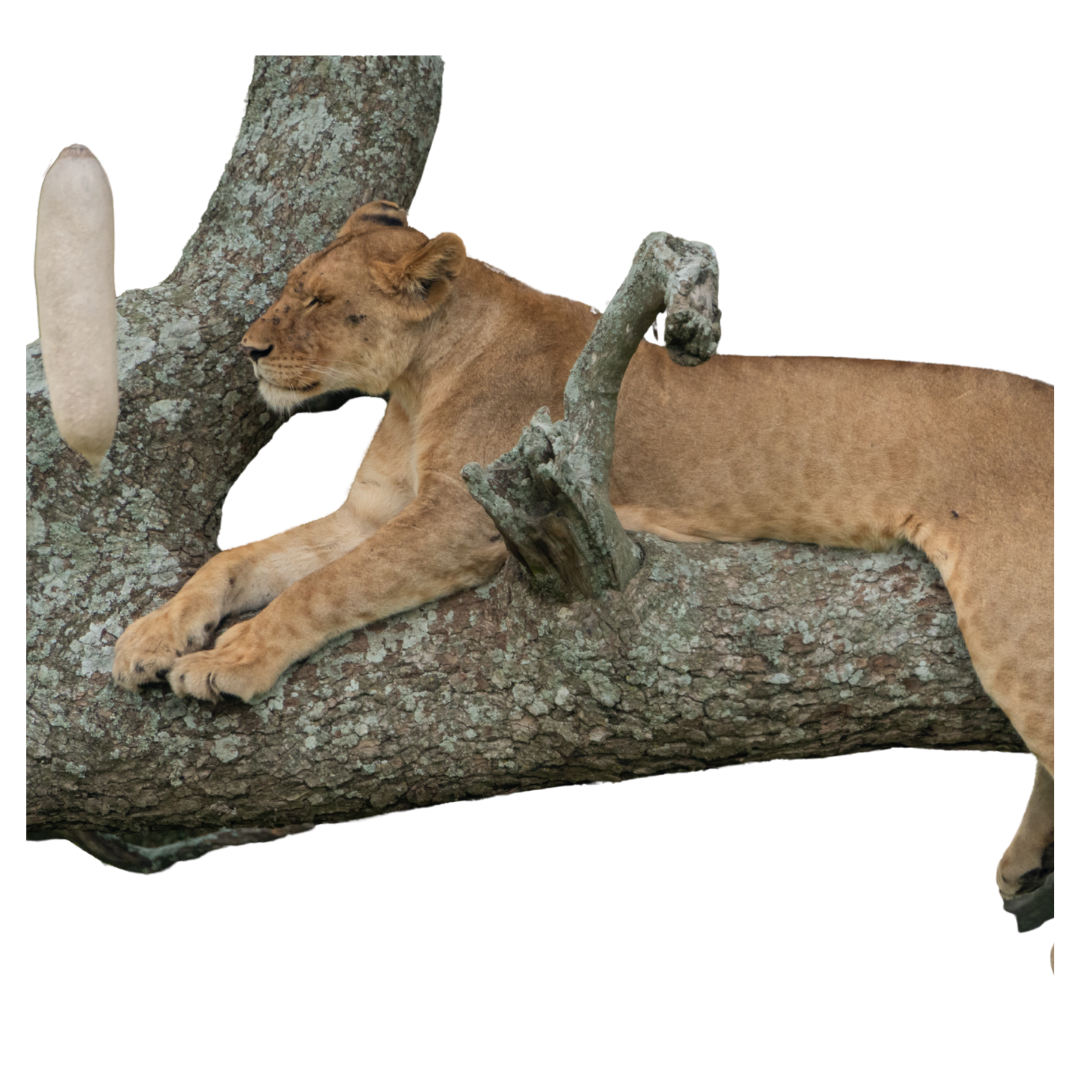
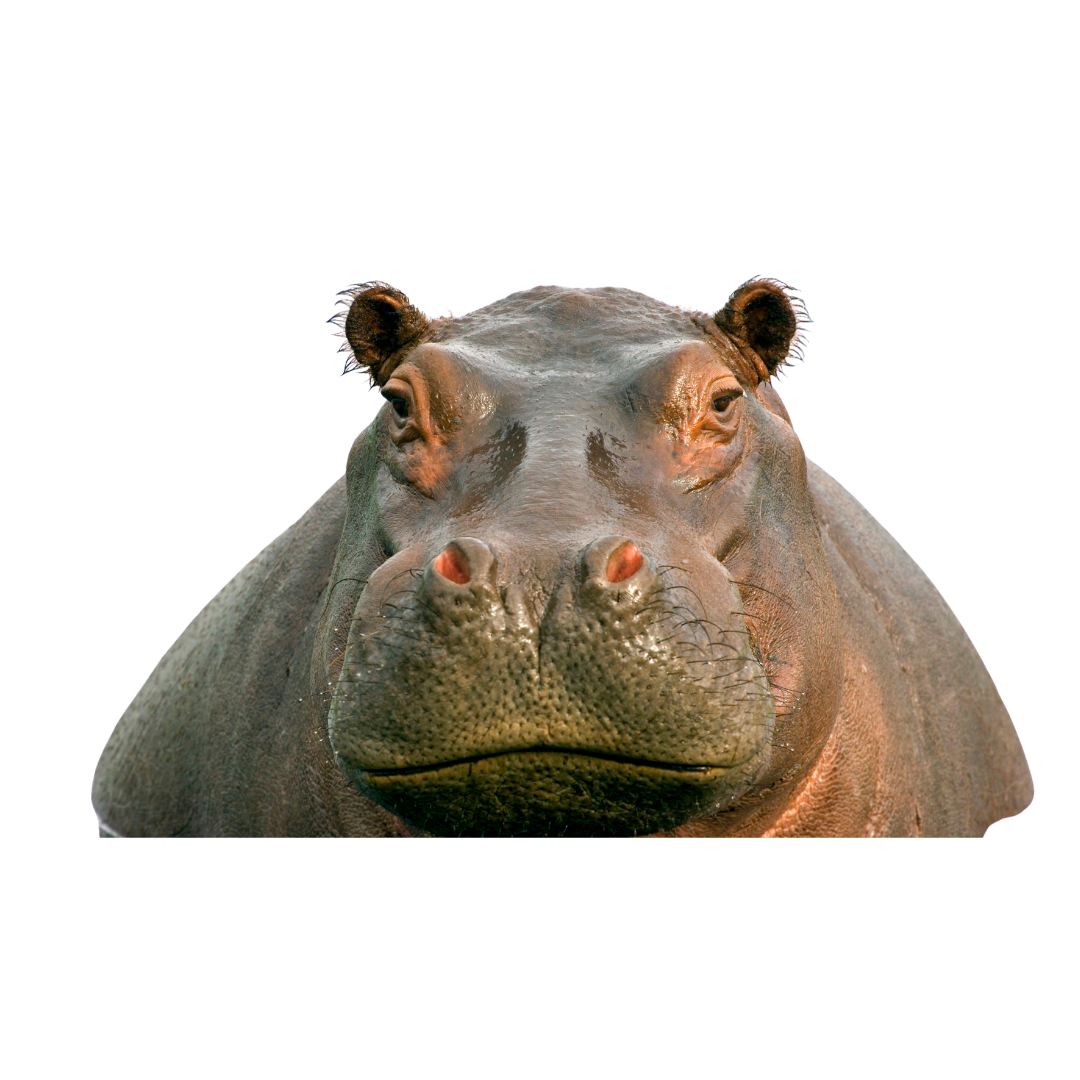
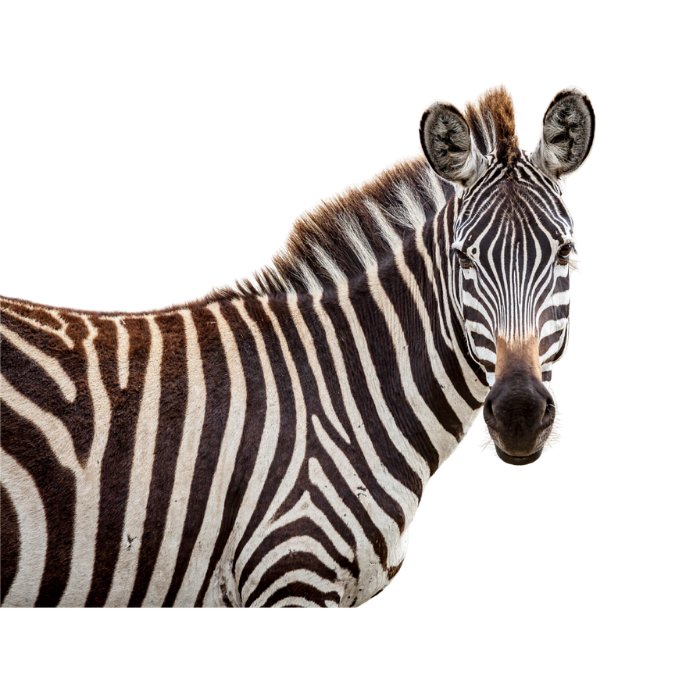
The park is internationally famous for its rare tree-climbing lions, large elephant populations, and seasonal flocks of flamingos that gather along the lake’s shoreline. Visitors can also encounter giraffes, hippos, buffalo, zebras, wildebeests, baboons, and hundreds of bird species within a remarkably compact safari area.
For travelers with Nas Royal Safaris, Lake Manyara offers a perfect balance of wildlife, scenery, birdlife, and adventure, making it an ideal destination for day trips, family safaris, and northern Tanzania safari circuits.
Lake Manyara National Park combines forests, wetlands, hot springs, and open plains into one of East Africa’s most varied ecosystems
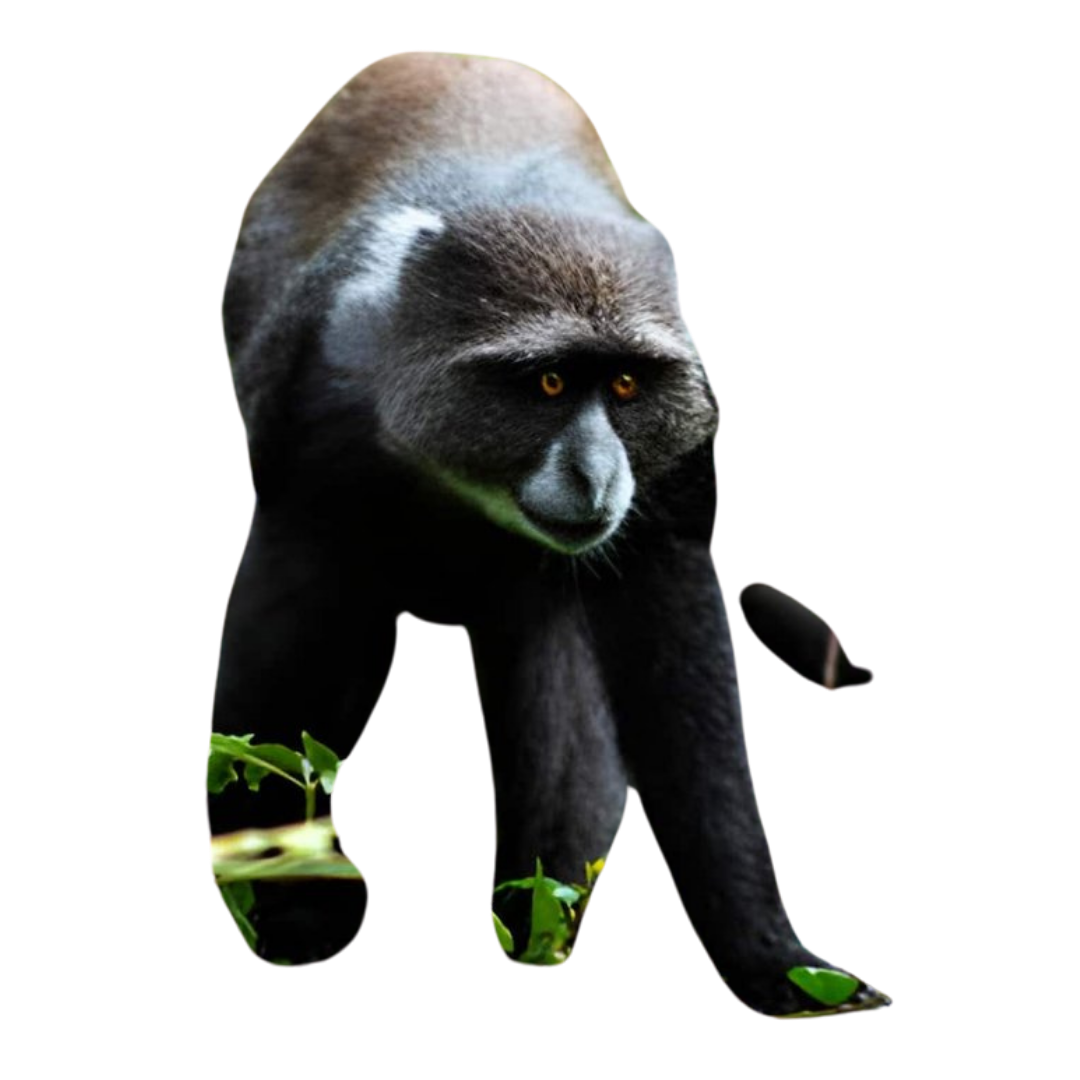
Fed by underground springs flowing from the Ngorongoro Highlands, this lush forest is filled with towering mahogany trees, blue monkeys, baboons, and elephants. The cool, shaded environment creates a striking contrast to the open savannah landscapes found elsewhere in northern Tanzania.
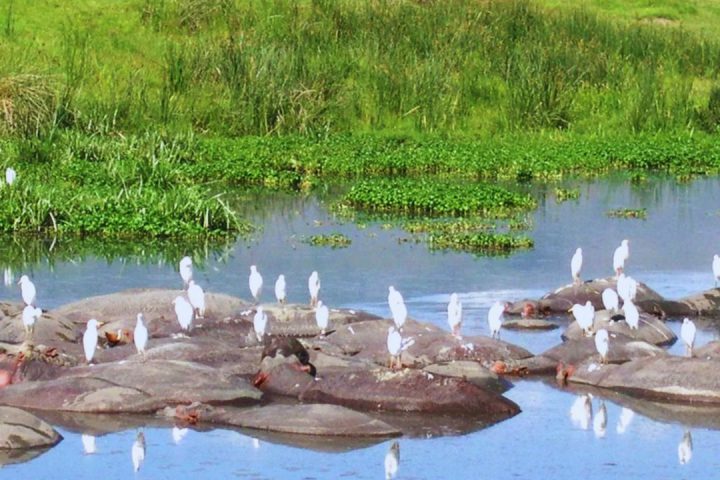
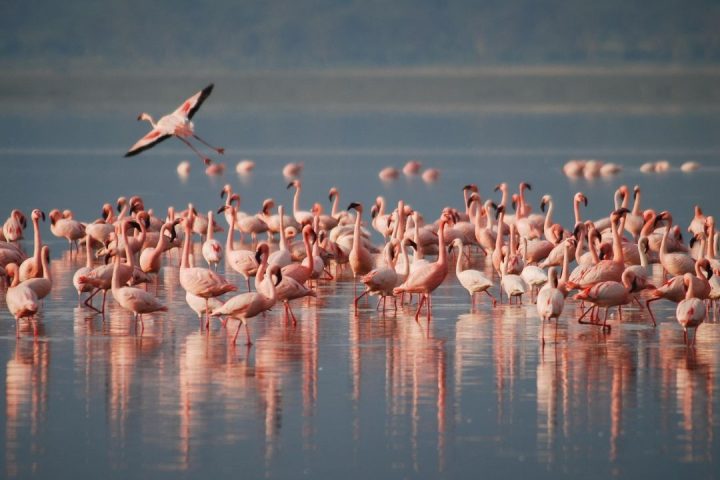
The alkaline lake covers much of the park and attracts flamingos, pelicans, storks, and numerous migratory birds throughout the year. Wildlife often gathers along the shoreline, creating spectacular photographic opportunities against the backdrop of the Rift Valley escarpment.
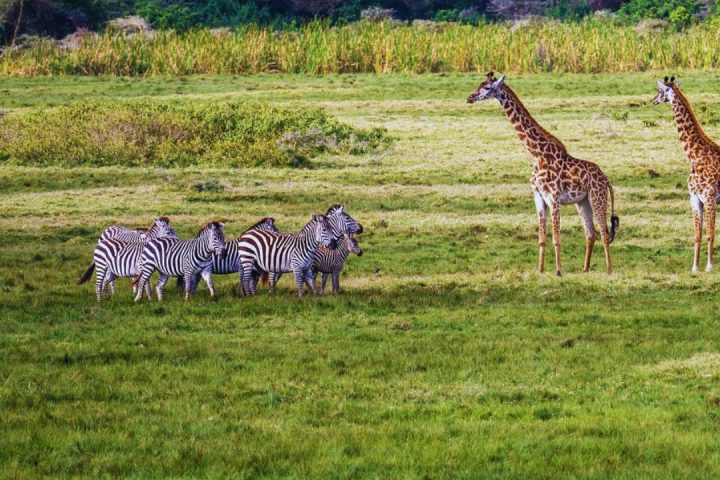
Open grasslands and scattered acacia woodland support zebras, wildebeests, giraffes, buffalo, and antelope species. These plains provide excellent game-viewing opportunities and are among the best areas to search for the park’s famous tree-climbing lions.
Located in the southern section of the park, the Maji Moto hot springs bubble from beneath the earth with steaming geothermal activity. Surrounded by palm trees and open landscapes, the springs offer one of Lake Manyara’s most unique natural attractions.
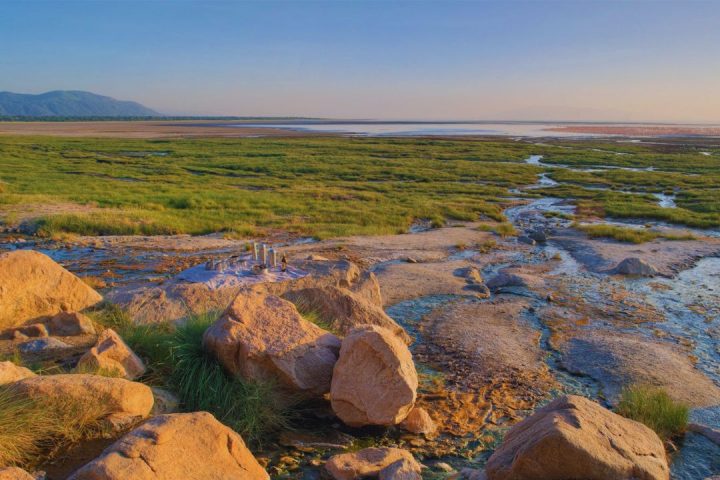
Lake Manyara is home to elephants, hippos, giraffes, zebras, buffalo, wildebeests, baboons, warthogs, and the park’s legendary tree-climbing lions. The park is also considered one of Tanzania’s finest birdwatching destinations, with more than 400 recorded bird species.
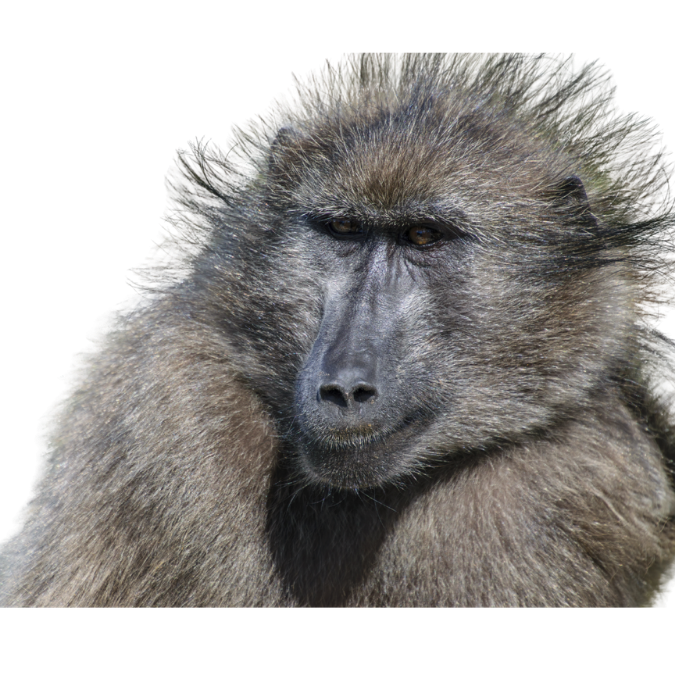
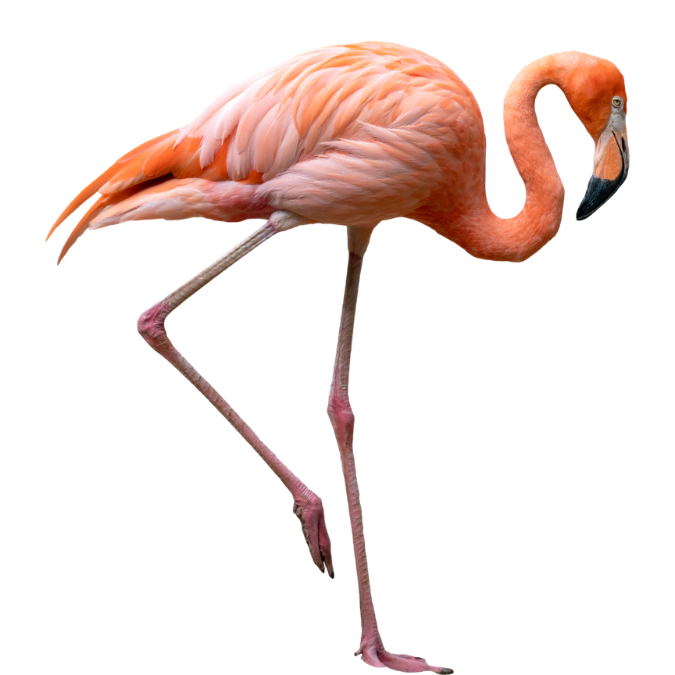
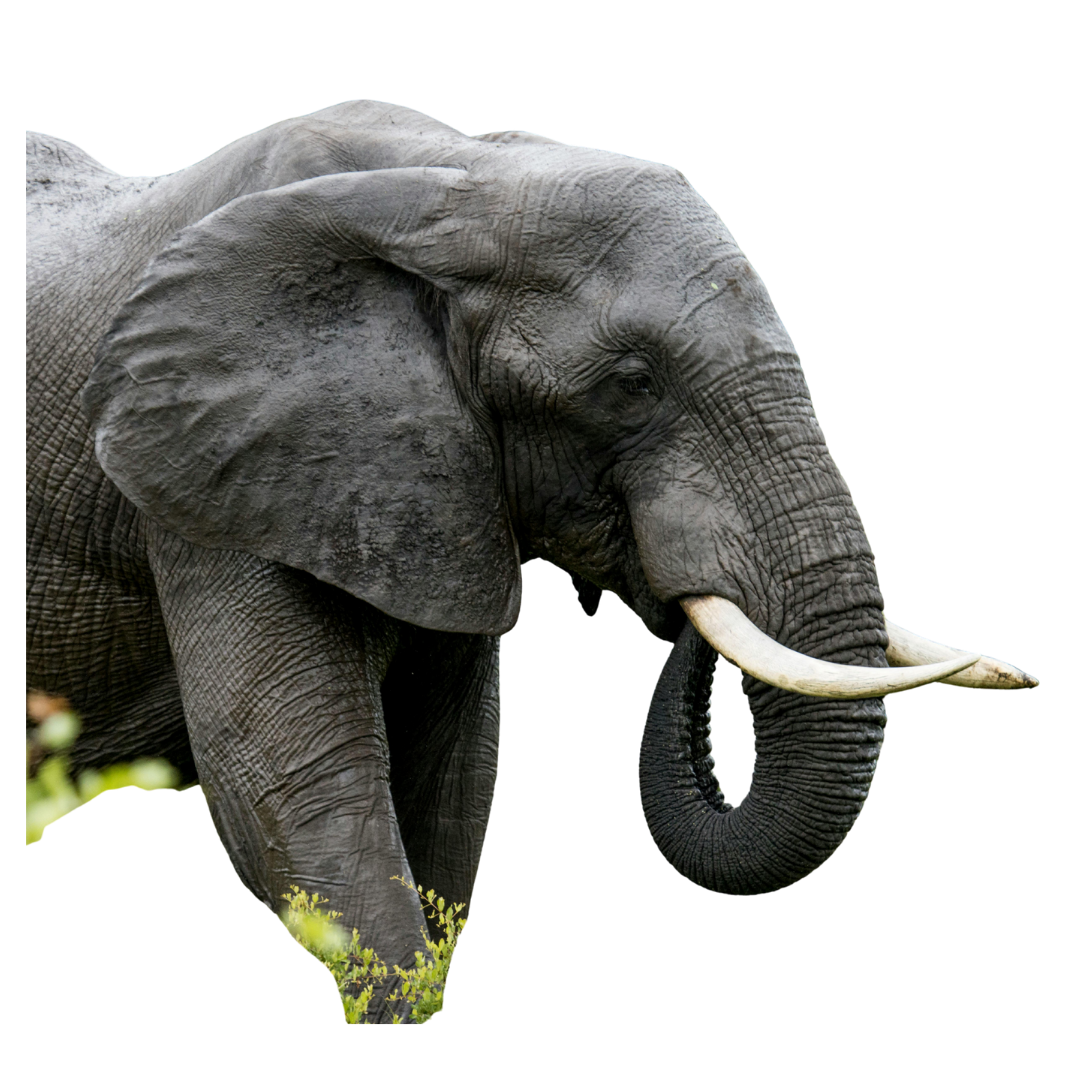
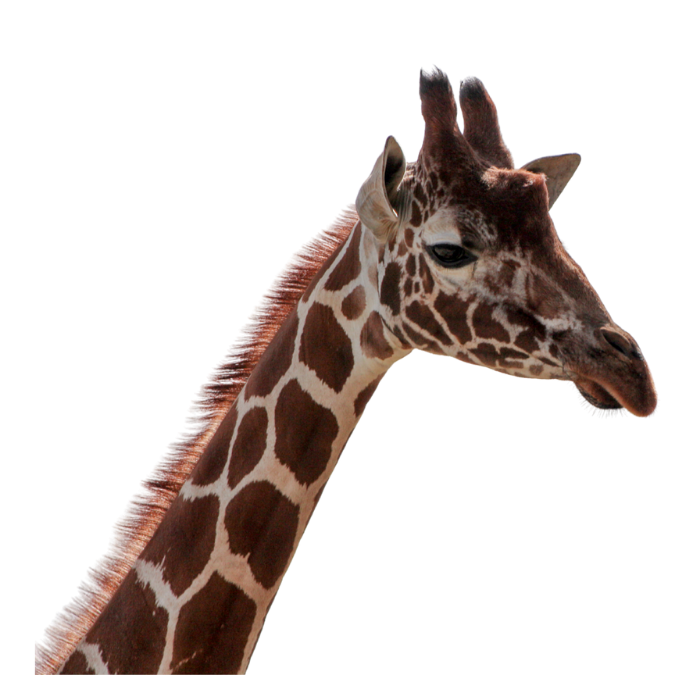
The dry season from June to October offers the best wildlife viewing as animals gather near water sources and vegetation becomes thinner. The green season from November to May is excellent for birdwatching, photography, and lush scenery.
Lake Manyara is one of the few places in Africa where lions are regularly seen resting in trees. While the exact reason remains uncertain, climbing may help them avoid insects, escape heat, or gain better views across the plains.
Yes. Due to its proximity to Arusha and the Ngorongoro Highlands, Lake Manyara is one of Tanzania’s most popular day-trip safari destinations and can easily be explored in a single day.
Visitors with Nas Royal Safaris can enjoy game drives, birdwatching, photography, cultural tours, nature walks, and scenic viewpoints overlooking the Great Rift Valley.
Absolutely. The park’s lake, wetlands, forests, and grasslands support hundreds of resident and migratory bird species, making it one of Tanzania’s top birdwatching destinations throughout the year.
Safari Tours
Safari Tours
Safari Tours
Safari Tours
Combo safari
Combo safari