
1970
2,850 km²
Partial Presence
Jun – Oct
Tarangire National Park is one of Tanzania’s most spectacular yet underrated safari destinations, famous for its enormous elephant populations, ancient baobab trees, and diverse wildlife ecosystems. Located within Tanzania’s northern safari circuit, the park offers a quieter and more exclusive safari experience compared to the more crowded parks of the region. Its peaceful wilderness and dramatic scenery make every safari feel intimate and deeply connected to nature.
The park is centered around the Tarangire River, a permanent water source that attracts thousands of animals during the dry season when surrounding areas become arid. Vast herds of elephants, zebras, wildebeests, buffalo, giraffes, and antelope gather along the riverbanks, while predators such as lions and leopards follow closely behind. This seasonal concentration of wildlife creates some of the most rewarding game-viewing opportunities in East Africa.
For travelers with Nas Royal Safaris, Tarangire offers breathtaking landscapes, rich biodiversity, fewer safari vehicles, and unforgettable wildlife encounters beneath towering baobab trees. The park is ideal for photographers, nature lovers, families, and travelers seeking a more authentic safari atmosphere.
Tarangire National Park combines river valleys, swamps, open plains, and iconic baobab landscapes into one of Tanzania’s richest ecosystems. Each region reveals a unique blend of scenery, wildlife, and seasonal migration activity.
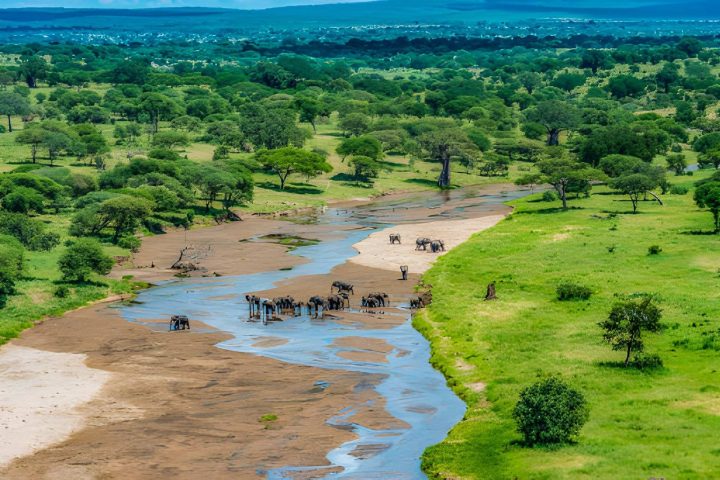
The Tarangire River flows through the heart of the park and becomes the primary water source for wildlife during the dry season. Massive herds of elephants, buffalo, zebras, and wildebeests gather along its banks, making this area one of the park’s best game-viewing locations. The river valley is especially dramatic during sunset when animals gather against glowing golden landscapes.
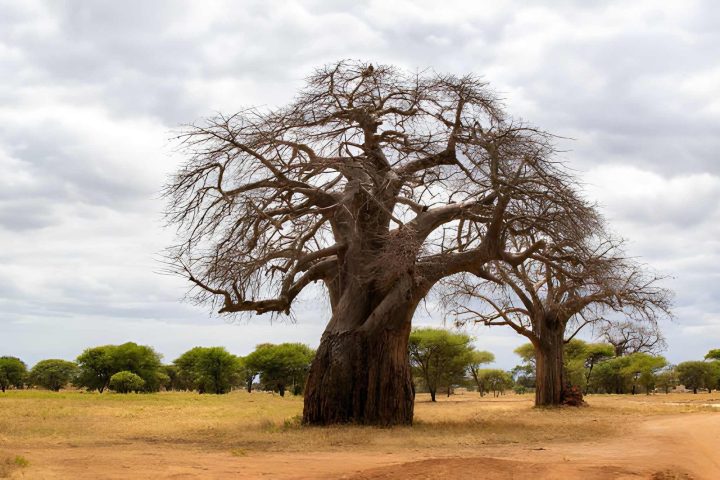
Towering baobab trees dominate these open savannahs, creating one of the most iconic landscapes in Tanzania. These ancient trees provide shade, water storage, and shelter for both wildlife and birds while forming incredible photographic scenery throughout the park. Some baobabs here are believed to be hundreds of years old.
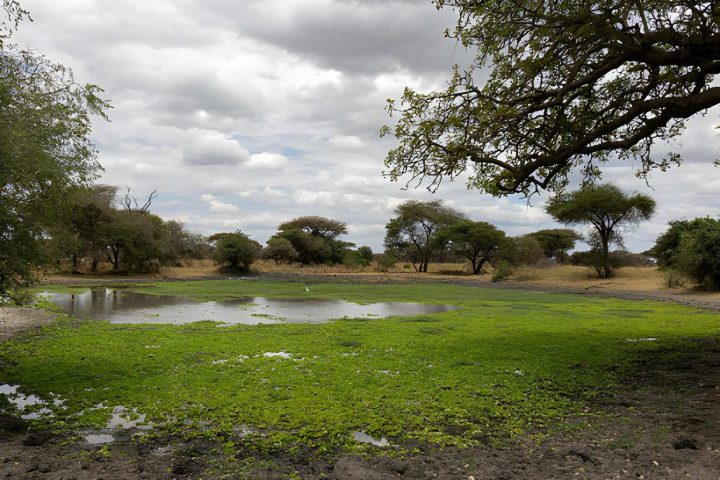
The Silale Swamps remain green long after much of the park dries out, attracting elephants, lions, pythons, and numerous bird species. The wetlands support rich biodiversity and offer excellent opportunities for wildlife observation during the dry season. This area becomes particularly active in the afternoon as animals gather to cool off and feed.
The southern part of Tarangire is more remote and less visited, offering a peaceful safari environment with excellent chances to see predators, antelope, and migratory wildlife. Acacia woodland and rolling plains stretch into the distance beneath wide African skies.
Its untouched atmosphere makes it perfect for travelers seeking solitude and wilderness immersion.
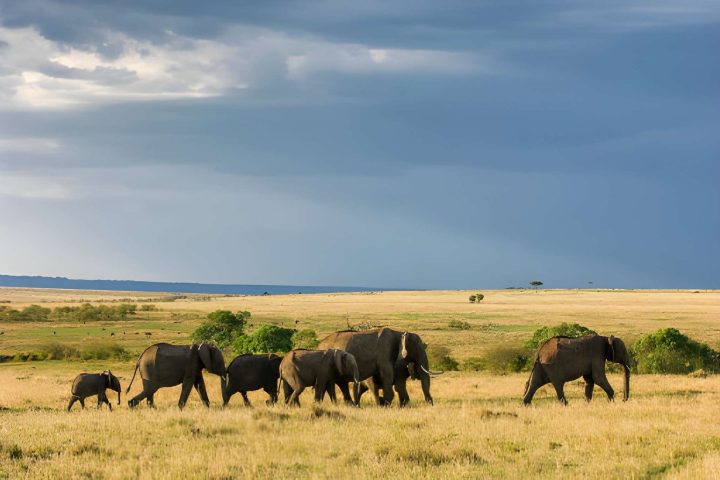
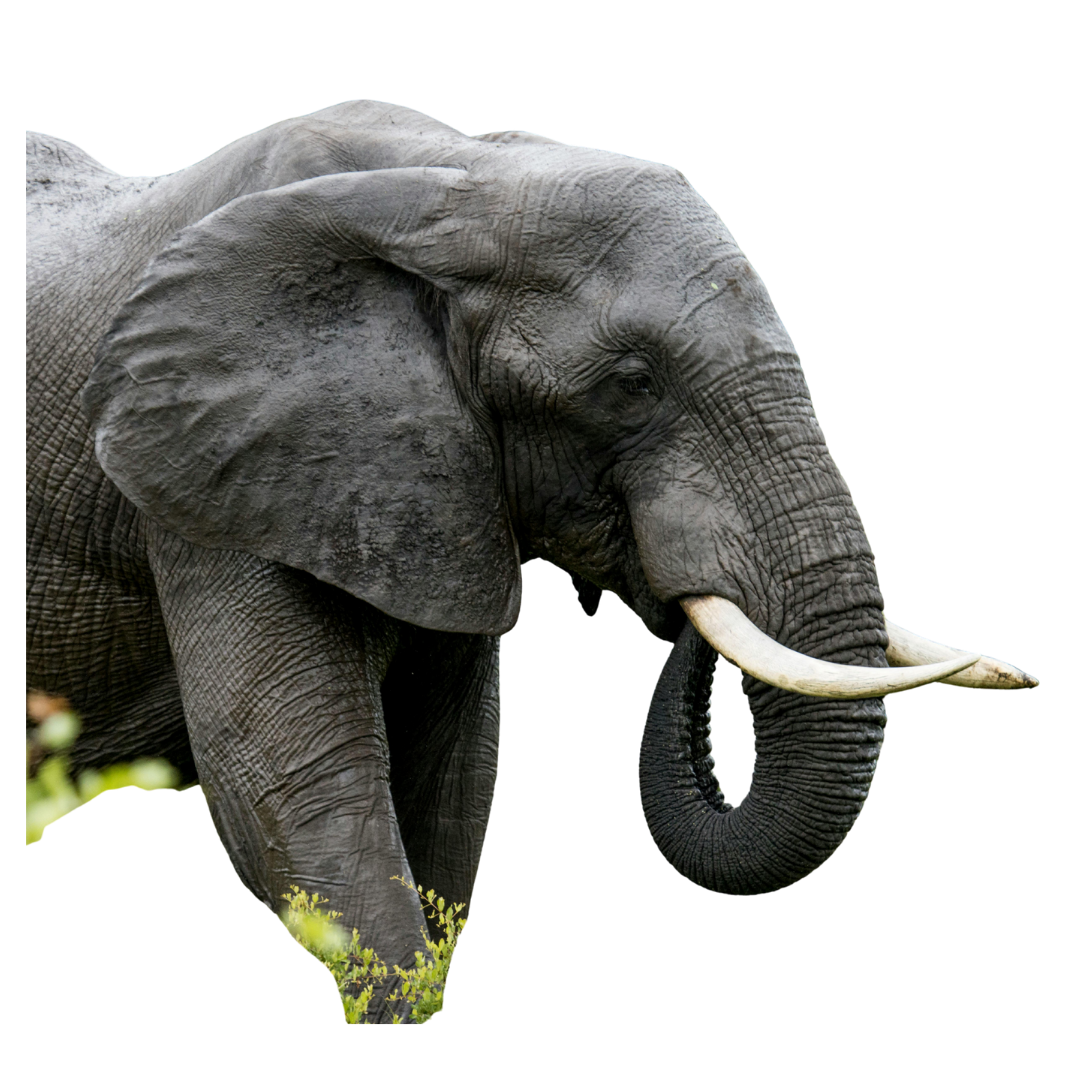
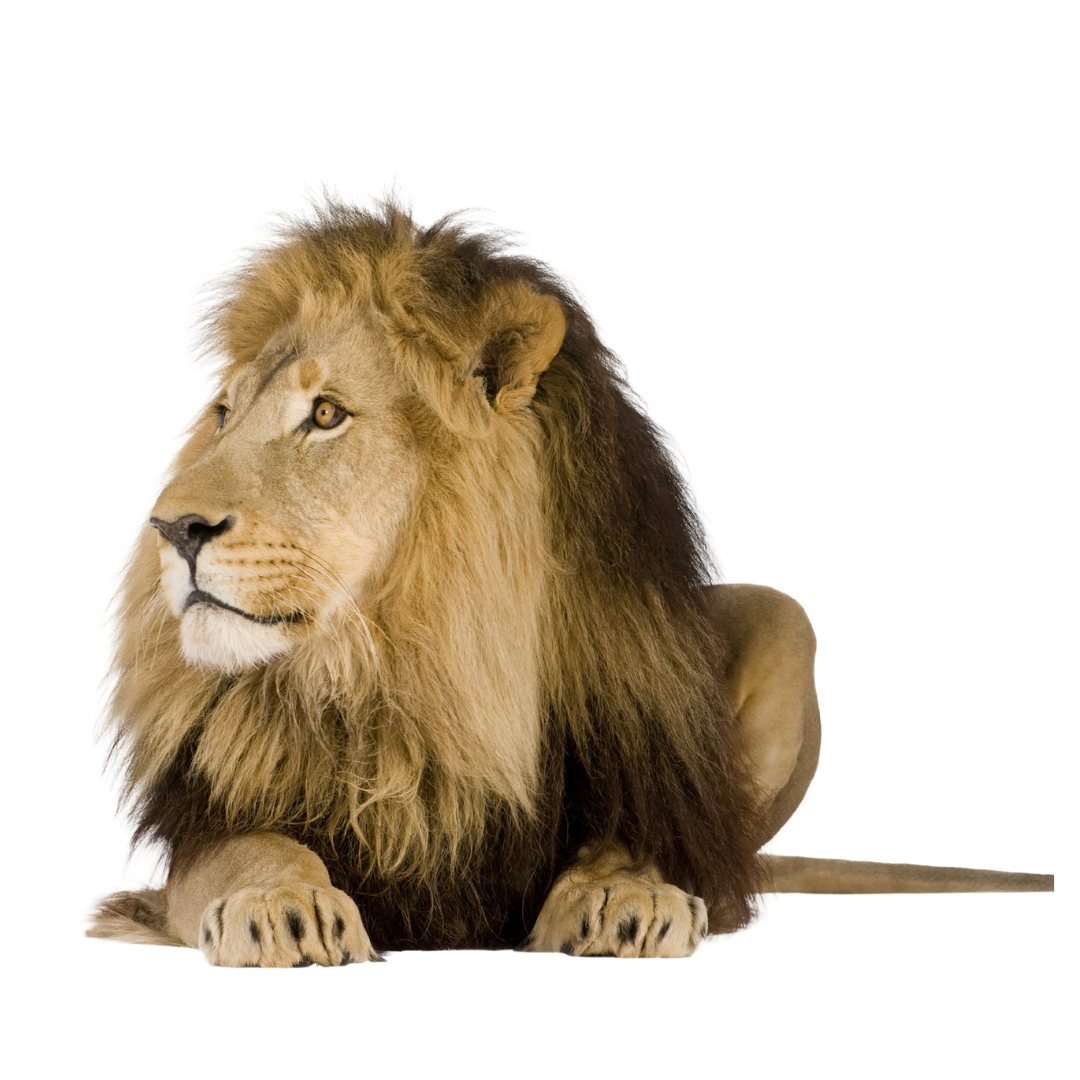
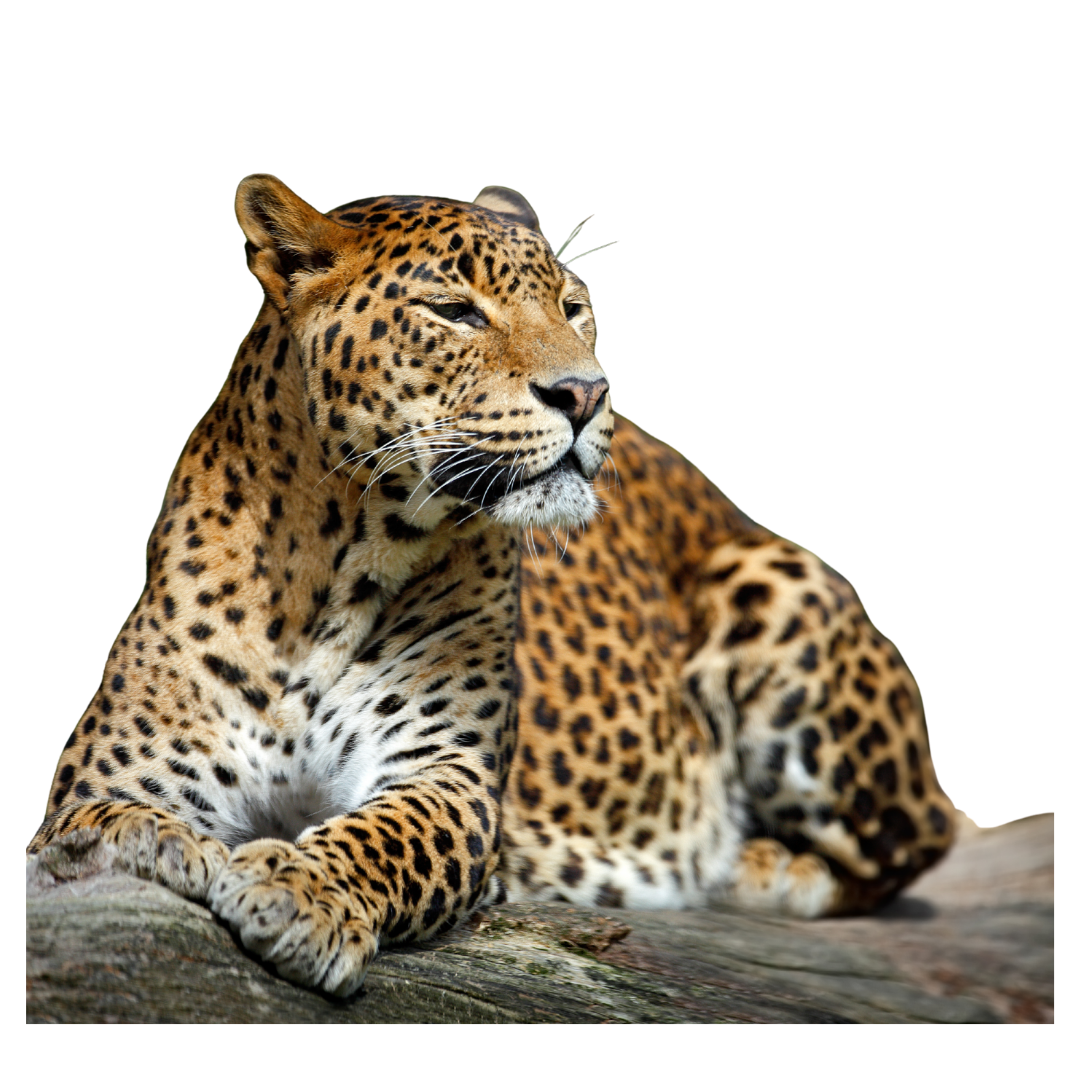
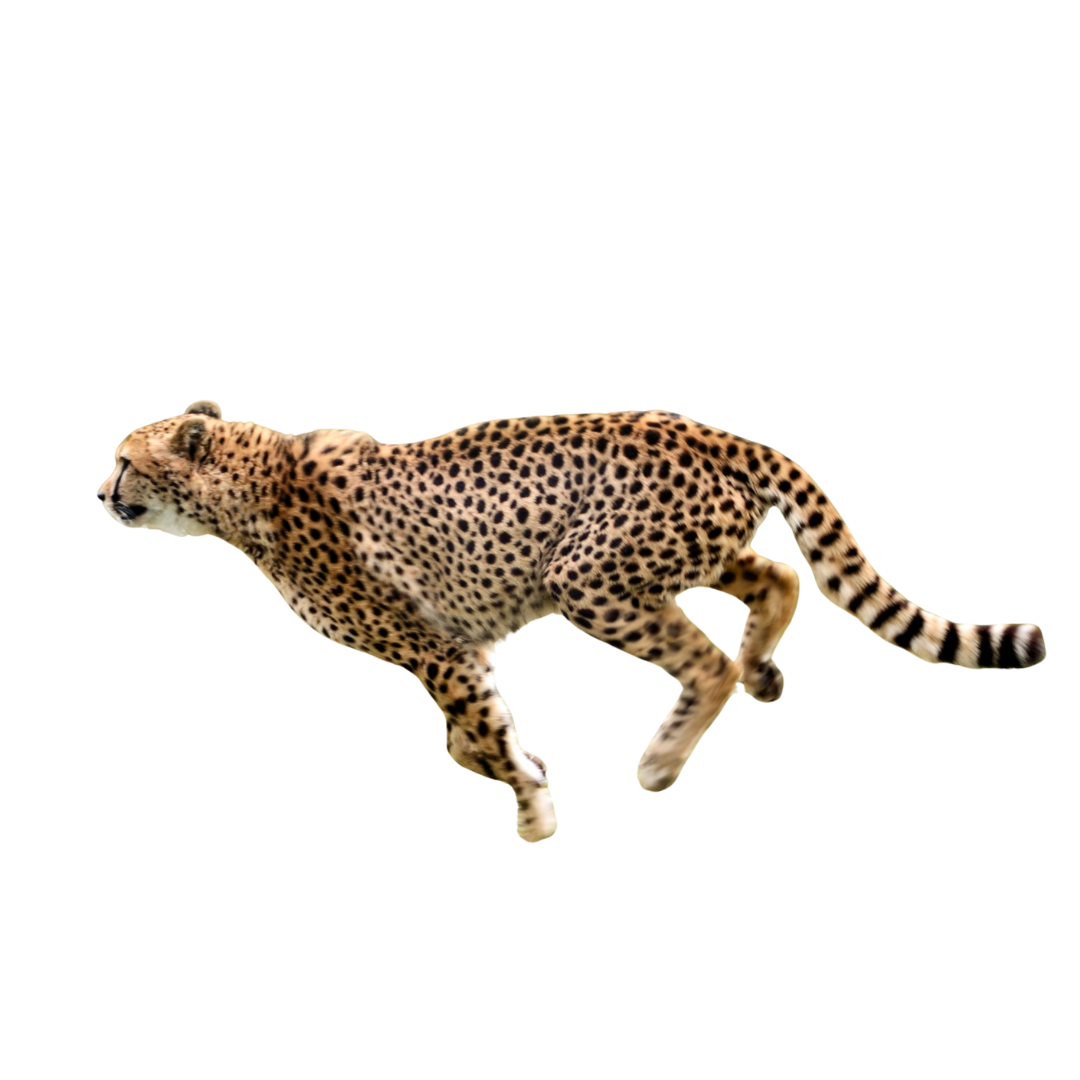
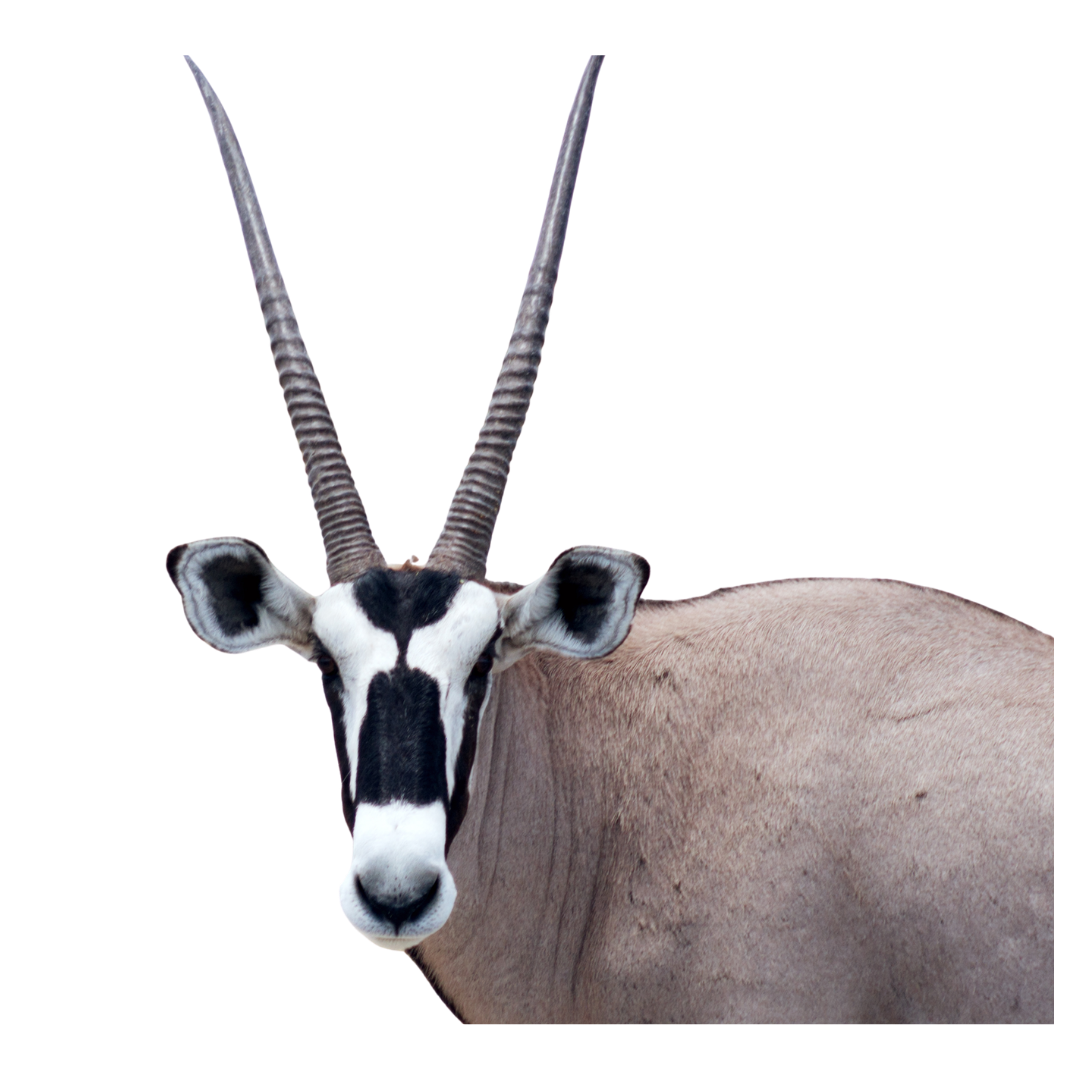
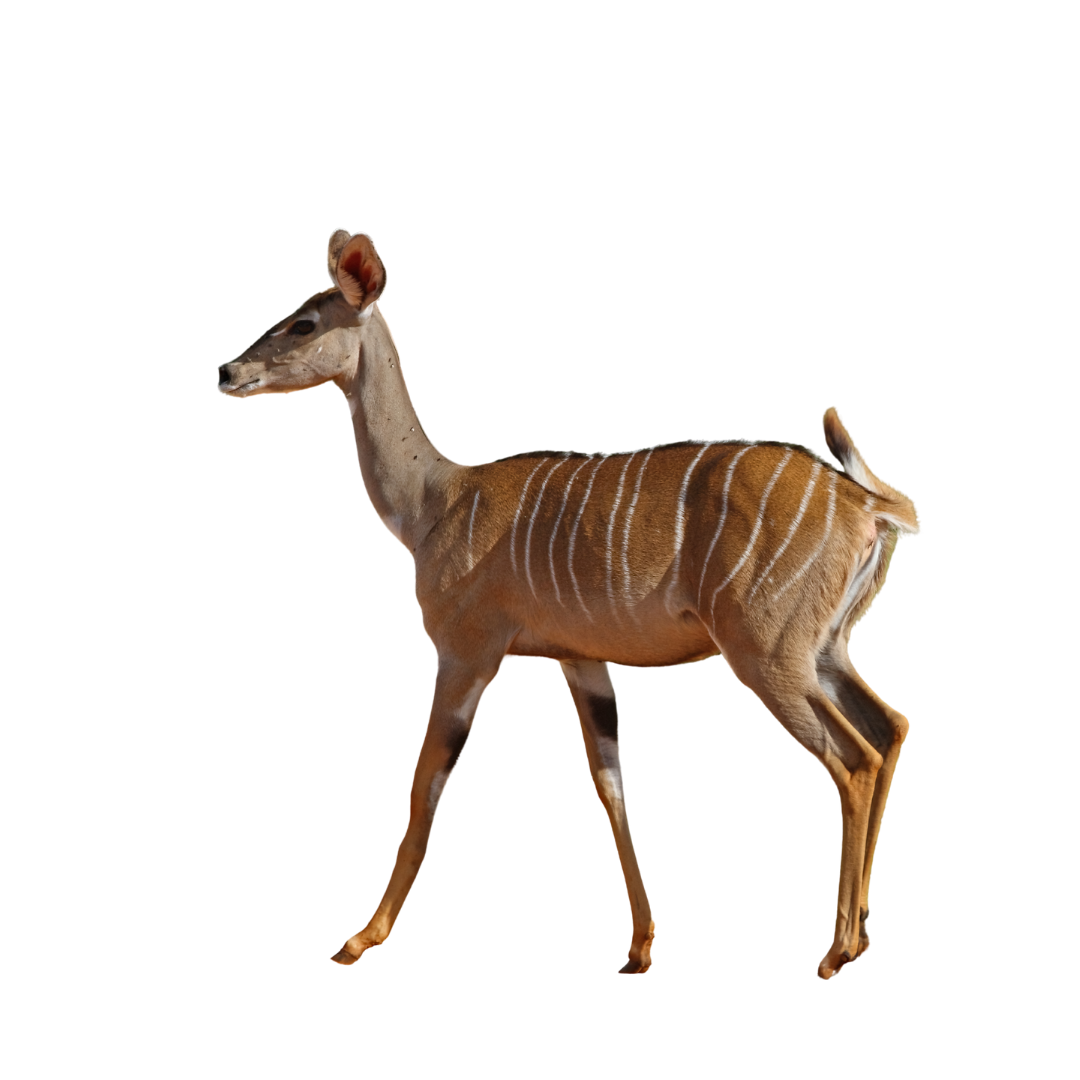
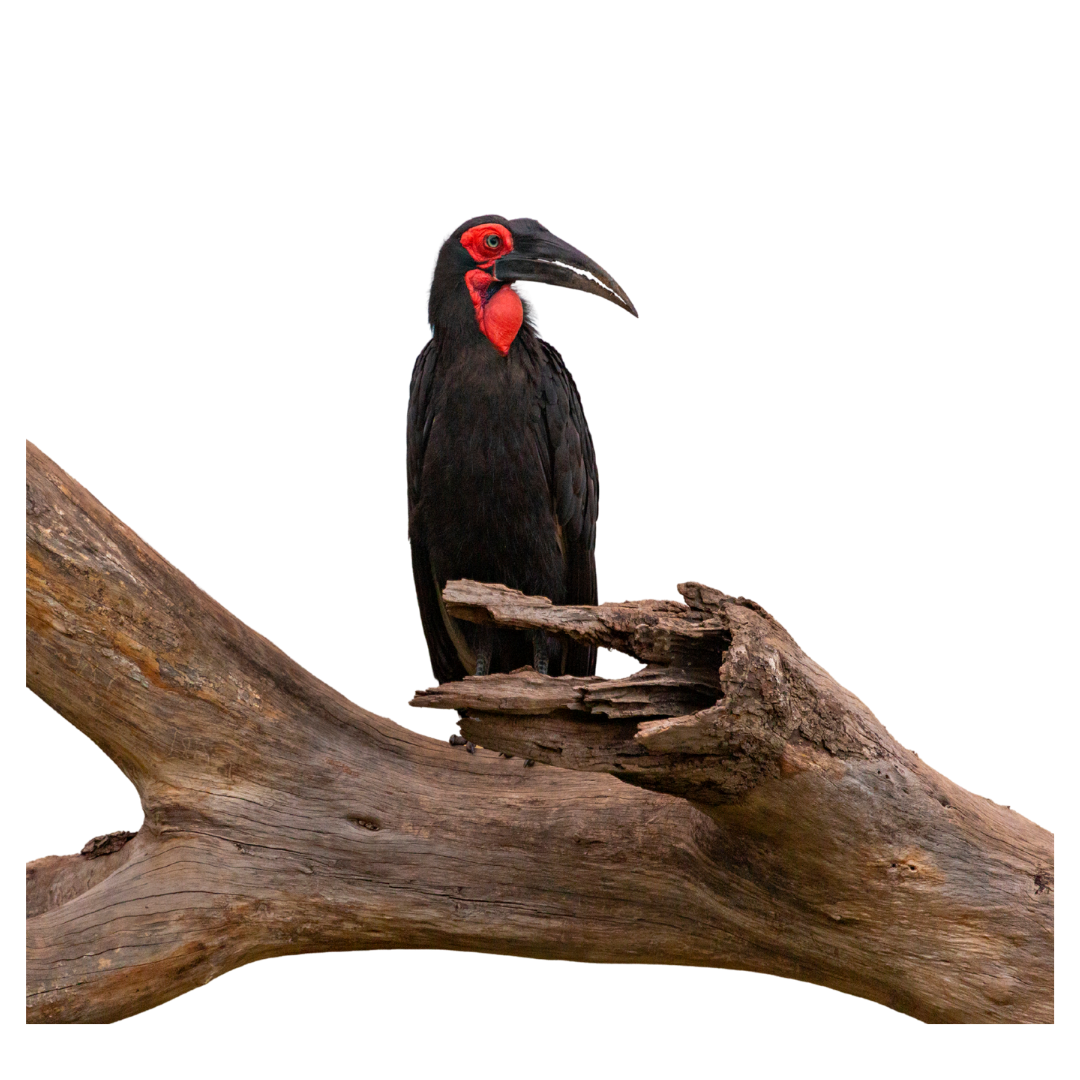
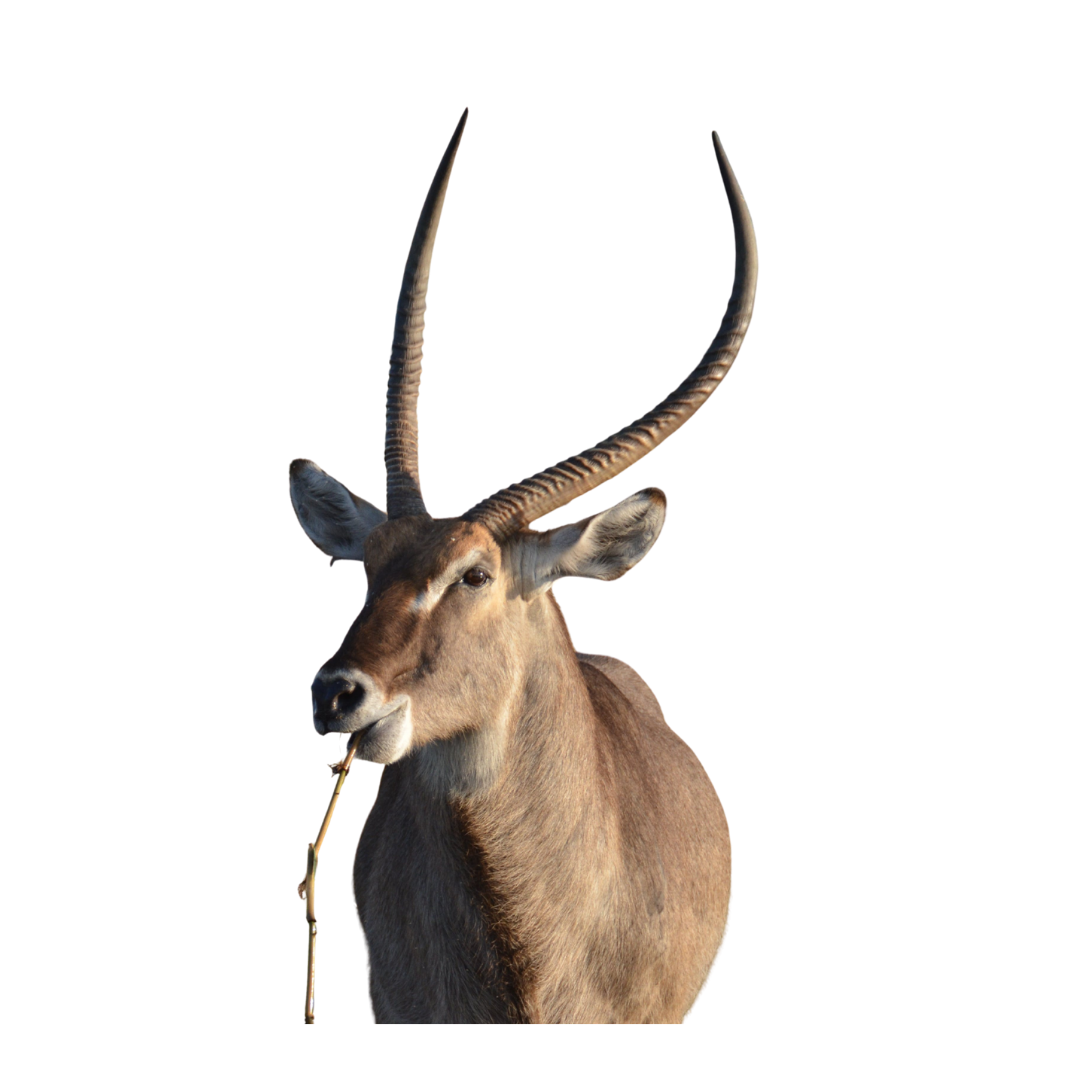
Tarangire is home to one of Africa’s largest elephant populations along with lions, leopards, cheetahs, giraffes, buffalo, zebras, wildebeests, warthogs, ostriches, and numerous antelope species. The park also supports more than 500 bird species, making it one of Tanzania’s finest birdwatching destinations. Wildlife densities become especially impressive during the dry season migration.
The best wildlife viewing occurs during the dry season from June to October when animals concentrate around the Tarangire River and remaining water sources. The green season from November to May offers lush scenery, migratory birds, and quieter safari experiences. Each season presents a different but equally beautiful side of the park.
Tarangire supports some of Tanzania’s largest elephant herds, with hundreds of elephants often seen together near rivers, swamps, and open plains during the dry season. Watching these giant herds move through the baobab landscape is one of the park’s greatest highlights.
Yes. Tarangire generally receives fewer visitors than Serengeti and Ngorongoro, creating a quieter and more exclusive safari atmosphere. This allows travelers to enjoy wildlife sightings with greater privacy and less vehicle congestion.
Absolutely. Tarangire’s abundant wildlife, beautiful scenery, and relaxed safari atmosphere make it ideal for families, couples, photographers, and first-time safari travelers. Its shorter driving distances and consistent wildlife sightings are especially convenient for family adventures.
Safari Tours
Safari Tours
Safari Tours
Safari Tours
Combo safari
Combo safari